










Complete guide to the aurö workshop for researchers
Aurö workshop is a specialized academic event organized by the Standing Field Committee on Environmental and Resource Economics (Ausschuss für Umwelt- und Ressourcenökonomie). The workshop aims to...

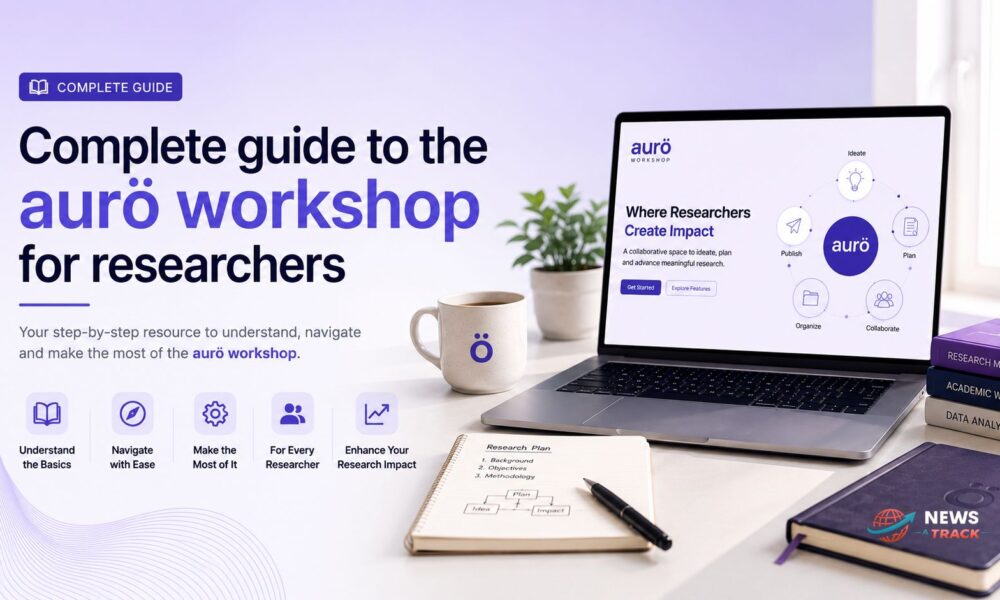
Aurö workshop is a specialized academic event organized by the Standing Field Committee on Environmental and Resource Economics (Ausschuss für Umwelt- und Ressourcenökonomie). The workshop aims to provide a platform to present research, engage in professional discussions and network with peers from German-speaking countries. It is designed specifically for PhD students and early-career postdocs.
Table Of Content
- What is the history and vision behind aurö?
- How does the aurö workshop help you present research?
- Why are professional discussions at aurö so valuable?
- How can you build your network with peers through aurö?
- Who should attend the aurö workshop for young researchers?
- What is the impact of aurö on the academic landscape?
- How can researchers apply and engage with aurö?
- Next steps for advancing your academic career with aurö
- Frequently Asked Questions (FAQ)
- What is the primary purpose of the aurö workshop?
- Who is eligible to present at the aurö workshop?
- How much does it cost to attend the aurö workshop?
- What format do presentations take at the aurö workshop?
- Do I need a completed paper to apply for the aurö workshop?
Academic research can often feel like a solitary pursuit. Doctoral students and junior researchers spend months analyzing data, building economic models, and writing papers, frequently with limited opportunities to share their findings with an audience that truly understands the nuances of their specific field. General conferences are massive and intimidating, leaving early-career scholars lost in the crowd. Specialized academic platforms bridge this gap, offering a focused environment where junior academics receive targeted feedback from senior experts.
Within the field of environmental and resource economics, the aurö workshop serves as this crucial bridge. Organized by the Ausschuss für Umwelt- und Ressourcenökonomie (which translates to the Standing Field Committee on Environmental and Resource Economics), this annual event gathers the brightest emerging minds from Germany, Austria, and Switzerland. The aurö workshop limits attendance to approximately 30 to 40 participants, ensuring a highly interactive and supportive atmosphere for every attendee.
By prioritizing quality interactions over sheer scale, the aurö workshop transforms the traditional academic conference model. Presenting early-stage research at this event allows scholars to refine their methodologies, strengthen their arguments, and build a resilient professional network before submitting their work to high-tier academic journals.
What is the history and vision behind aurö?
The German Economic Association, known as the Verein für Socialpolitik (VfS), established various standing field committees to support specific sub-disciplines within economics. The Ausschuss für Umwelt- und Ressourcenökonomie (aurö) emerged from a distinct need for a dedicated professional community focusing on environmental and resource economics. As global challenges like climate change, biodiversity loss, and energy transitions became central to economic policy, German-speaking researchers required a collaborative space to address these complex issues.
The founding principles of aurö revolve around rigorous scientific inquiry and mentorship. The committee recognizes that environmental economics requires robust data analysis and a deep understanding of policy implications. By bringing together PhD students, postdocs, and senior faculty, aurö actively fosters knowledge transfer across academic generations.
The aurö workshop stands apart from general professional networks because of its highly specialized focus and intimate scale. Instead of parallel sessions running continuously with thousands of attendees, the aurö workshop organizes single-track or tightly focused parallel sessions. This structure ensures that every presentation receives the full attention of a knowledgeable audience. Participants share a common baseline of economic theory, allowing discussions to bypass basic definitions and dive straight into advanced econometric techniques and policy applications.
How does the aurö workshop help you present research?
Presenting research at the aurö workshop follows a highly structured, constructive format designed to maximize value for the author. Academic dissemination typically occurs through massive conferences, smaller workshops, or direct journal submissions. The aurö workshop sits perfectly in the middle, functioning as a high-level testing ground for working papers.
The workshop aims to provide a platform to present research, engage in professional discussions and network with peers from German-speaking countries. Each presenter receives a 35-minute slot. This timeframe breaks down into a 20-minute presentation, a 5-minute dedicated response from an assigned discussant, and 10 minutes of open audience discussion. The assigned discussant reads the paper thoroughly beforehand and provides targeted, actionable feedback rather than a simple summary of the work.
Presenting within this specialized, language-specific context offers unique benefits. Although the official language of the workshop is English to promote international accessibility, the shared academic culture of the DACH region (Germany, Austria, and Switzerland) creates a cohesive environment. Researchers studying the European energy transition, the German carbon pricing mechanisms, or regional biodiversity valuation find an audience deeply familiar with the institutional background of their data.
For example, a PhD student analyzing the economic impacts of the European Union Emissions Trading System (EU ETS) might present an early draft at the aurö workshop. The assigned discussant, likely a postdoctoral researcher who has published extensively on carbon markets, points out a specific endogeneity issue in the student’s regression model. During the open discussion, a senior faculty member suggests an alternative instrumental variable. The student leaves the aurö workshop with a clear roadmap for revisions, ultimately leading to a successful publication in a top environmental economics journal.
Why are professional discussions at aurö so valuable?
In-depth discussions among peers drive academic progress. The aurö workshop facilitates these discussions through its structured presentation formats, informal coffee breaks, and dedicated networking dinners. The strict 10-minute open discussion following each presentation encourages attendees to ask probing questions and offer methodological advice.
The value of these professional discussions lies in their constructive tone. Because the aurö workshop targets young researchers, the environment remains supportive rather than combative. Senior researchers from the field attend specifically to mentor and guide the next generation of economists. They provide insights into current policy debates, helping junior scholars frame their research questions to maximize real-world impact.
The shared academic understanding among participants enriches the dialogue within the aurö community. Attendees do not need to spend their limited presentation time justifying why carbon pricing matters; the audience already understands the fundamental principles of environmental economics. This allows discussions to focus entirely on the novelty of the data, the validity of the research design, and the robustness of the empirical results.
How can you build your network with peers through aurö?
Networking serves as a critical catalyst for career advancement and academic collaboration. The aurö workshop provides young researchers with direct access to a highly relevant, localized professional network. Building relationships within the DACH region’s environmental economics community opens doors to joint research grants, co-authorships, and future academic appointments.
The aurö workshop takes a unique approach to connecting professionals. By keeping the participant count around 30 to 40 individuals and rotating the venue across prominent institutions like ZEW Mannheim or Leipzig University, the event forces natural, organic interactions. Participants spend two to three days together, attending the same sessions, eating meals together, and discussing their research challenges in an informal setting.
Consider a scenario where a junior researcher from the University of Graz meets a postdoc from ZEW Mannheim during an aurö workshop coffee break. They realize their separate projects on renewable energy subsidies share a similar theoretical framework but use different regional datasets. This brief interaction at the aurö workshop sparks a collaboration, leading them to combine their datasets and co-author a comprehensive comparative study. This type of organic networking forms the foundation of the aurö advantage.
Who should attend the aurö workshop for young researchers?
The aurö workshop explicitly targets academics and researchers navigating the early stages of their careers. The primary audience includes PhD students currently writing their dissertations in environmental, resource, or climate economics. Postdoctoral researchers looking to expand their academic networks before applying for tenure-track faculty positions also benefit immensely from the event.
Professionals seeking specialized knowledge regarding environmental policy, energy markets, and sustainable development find a welcoming community within aurö. While the primary focus remains academic research, the insights generated at the aurö workshop frequently cross over into practical policy applications. Researchers working on projects funded by government ministries or environmental think tanks use the workshop to validate their methodologies.
Students and emerging professionals seeking mentorship should prioritize attending the aurö workshop. The presence of established senior academics from the Verein für Socialpolitik provides a rare opportunity for junior scholars to seek informal career advice. Senior members often share insights on navigating the European academic job market, securing funding for environmental research projects, and preparing manuscripts for submission to journals associated with the European Association of Environmental and Resource Economists (EAERE).
What is the impact of aurö on the academic landscape?
The aurö workshop significantly strengthens regional professional ties across Germany, Austria, and Switzerland. By consistently hosting this annual event, the Standing Field Committee ensures that the German-speaking environmental economics community remains cohesive and collaborative. Researchers who meet at the aurö workshop often go on to organize joint panel sessions at larger international conferences, elevating the visibility of regional research on a global stage.
The committee also contributes directly to the advancement of specific academic fields. As topics like climate finance, behavioral environmental economics, and the social cost of carbon gain prominence, the aurö workshop provides a dedicated testing ground for these emerging sub-disciplines. The rigorous feedback loop established by the workshop elevates the overall quality of environmental economics research produced within the DACH region.
Looking toward the future, the aurö workshop shows strong potential for continued growth. As universities and research institutes allocate more resources to sustainability and climate change research, the pipeline of young researchers entering the field will expand. The aurö community will play a vital role in integrating these new scholars, ensuring they receive the mentorship and peer support necessary to thrive in a competitive academic environment.
How can researchers apply and engage with aurö?
Engaging with the aurö community begins with the annual call for papers. Organizers typically release the call for the spring workshop several months in advance, usually with a submission deadline in late autumn (such as November 30 for a February event). Researchers must prepare either a full working paper or a detailed extended abstract of one to two pages. This abstract must outline the motivation for the paper, the specific research question, the proposed methodology, and the expected results.
Submissions are handled through an online portal managed by the hosting institution, such as ZEW Mannheim. The aurö selection committee reviews the submissions based on academic rigor and relevance to environmental and resource economics. Acceptance notifications generally arrive within four to six weeks.
For those who are accepted, the aurö workshop does not charge a conference fee, making it highly accessible for young researchers with limited travel budgets. Participants simply cover their own travel and accommodation costs. Once at the event, attendees engage by presenting their work, serving as a designated discussant for a peer’s paper, and actively participating in the open Q&A sessions. Newcomers should proactively introduce themselves during breaks and follow up with new contacts after the workshop concludes.
Next steps for advancing your academic career with aurö
The aurö workshop remains a vital pillar of the environmental and resource economics community in Europe. By intentionally maintaining an intimate, high-quality environment, the Standing Field Committee of the Verein für Socialpolitik has created an unparalleled space for academic growth.
The workshop aims to provide a platform to present research, engage in professional discussions and network with peers from German-speaking countries. It delivers on this promise year after year, transforming isolated doctoral students into well-connected, confident researchers. The targeted feedback, the supportive mentorship, and the organic networking opportunities directly accelerate career trajectories.
If you are an early-career researcher investigating the economic dimensions of climate change, resource management, or environmental policy, the aurö workshop deserves your attention. Prepare your working paper, watch for the next call for submissions, and take the opportunity to join this dynamic, intellectually stimulating community.
ALSO READ: The Rise of Mansrufer: Key Lessons and Insights From a Modern Digital Personality
Frequently Asked Questions (FAQ)
What is the primary purpose of the aurö workshop?
The aurö workshop provides young researchers, specifically PhD students and postdocs in environmental and resource economics, with a dedicated platform to present their working papers, receive constructive feedback from assigned discussants, and build a professional network within the German-speaking academic community.
Who is eligible to present at the aurö workshop?
The workshop specifically invites submissions from PhD students, postdoctoral researchers, and junior faculty working in environmental, climate, or resource economics. The event primarily targets researchers affiliated with institutions in Germany, Austria, and Switzerland.
How much does it cost to attend the aurö workshop?
The aurö workshop does not charge a conference registration fee. However, all participants are responsible for covering their own travel, accommodation, and personal expenses during the two-to-three-day event.
What format do presentations take at the aurö workshop?
Each accepted paper receives a 35-minute slot. The author presents the research for 20 minutes, followed by a 5-minute targeted response from an assigned academic discussant. The session concludes with a 10-minute open discussion involving the entire audience.
Do I need a completed paper to apply for the aurö workshop?
No, a fully completed paper is not strictly required for application. Researchers can submit a comprehensive extended abstract of one to two pages that clearly outlines the research question, methodology, data sources, and preliminary or expected findings.









No Comment! Be the first one.