










The Complete Guide to Alaskan Seiti
Alaskan Seiti! Walk down the frozen seafood aisle of almost any major grocery store, and you will likely encounter a mild, flaky fish that goes by a few different names. Sometimes it is labeled as a...

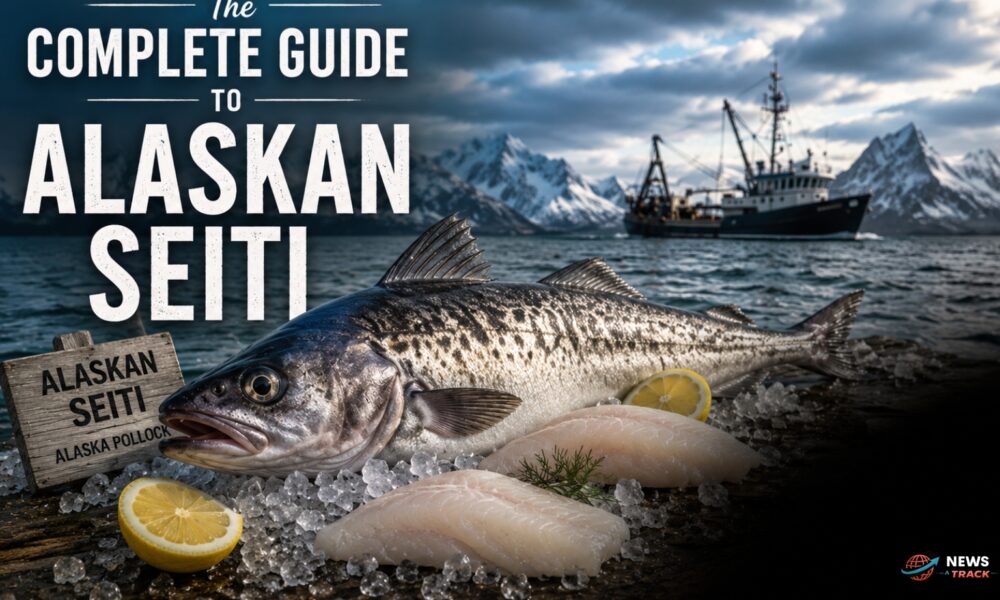
Alaskan Seiti! Walk down the frozen seafood aisle of almost any major grocery store, and you will likely encounter a mild, flaky fish that goes by a few different names. Sometimes it is labeled as a generic whitefish fillet, and other times it is presented proudly as wild-caught pollock. Alaskan Seiti, commonly referred to as Alaska pollock, is a highly nutritious whitefish that has gained international attention for its delicate flavor, remarkable culinary flexibility, and widespread availability.
Table Of Content
- What exactly is Alaskan seiti?
- A global seafood powerhouse
- How it compares to traditional cod
- Nutritional profile and health benefits
- High protein, low calorie
- Essential vitamins and minerals
- Supporting heart and brain health
- Sustainability and responsible fishing
- Eco-friendly fishing practices
- Certifications and trust
- Culinary uses and recipes
- Fresh and frozen fillets
- The secret star of processed seafood
- Easy home cooking methods
- Make the switch to sustainable seafood
- Frequently asked questions about Alaskan seiti
- Is Alaskan seiti the same thing as Alaska pollock?
- Is Alaskan seiti safe to eat regularly?
- How do I prevent Alaskan seiti from falling apart in the pan?
- Can I cook Alaskan seiti directly from frozen?
Despite being one of the most heavily consumed seafood products on the planet, many home cooks remain unfamiliar with the name Alaskan seiti. This fish operates largely behind the scenes of the global food industry. It is the secret ingredient in your favorite fast-food fish sandwich, the primary component of imitation crab, and the trusted staple for family fish fries.
Understanding what makes this fish so special can entirely change how you shop for seafood. It provides an excellent balance of affordability and nutrition, allowing families to incorporate more high-quality protein into their weekly meal rotations. Because it thrives in the cold, nutrient-rich waters of the North Pacific, it develops a clean taste that absorbs seasonings beautifully.
This guide will break down everything you need to know about Alaskan seiti. We will explore its natural habitat, dive into its impressive nutritional profile, and provide practical tips for cooking it at home. By the end, you will understand exactly why this humble cold-water fish has become a cornerstone of modern seafood.
What exactly is Alaskan seiti?
To understand Alaskan seiti, we first need to look at its scientific background and natural habitat. Known to marine biologists as Gadus chalcogrammus, this species is an integral member of the cod family. It swims in massive schools throughout the icy, deep waters of the Bering Sea and the Gulf of Alaska.
The environment plays a massive role in shaping the quality of the fish. Because these northern waters are exceptionally cold and packed with nutrients, the fish develop lean bodies with firm, white flesh. They feed primarily on plankton and small marine organisms, which contributes to their incredibly clean, mild flavor profile.
The naming conventions surrounding this fish often cause a bit of confusion for shoppers. In English-speaking commercial markets, the term Alaska pollock is standard. However, the name Alaskan seiti is frequently used in specific regional markets and local languages to describe the exact same species. Knowing that these names are completely interchangeable makes navigating the seafood counter much easier.
A global seafood powerhouse
Alaskan seiti is uniquely suited for large-scale commercial fishing and processing. The fish grow rapidly, which helps maintain stable populations even with heavy global demand. When the fish are harvested, their flesh separates cleanly and freezes exceptionally well. This makes it incredibly efficient for seafood manufacturers to process the catch into frozen fillets, minced fish blocks, and surimi.
Surimi is a paste made from minced fish, and Alaskan seiti is the undisputed king of this production method. If you have ever eaten a California roll sushi at a local restaurant or purchased imitation crab meat for a seafood salad, you have likely eaten Alaskan seiti. Its neutral flavor and soft texture make it the perfect canvas for taking on the taste and appearance of more expensive shellfish.
How it compares to traditional cod
Since Alaskan seiti belongs to the cod family, buyers frequently wonder how it stacks up against Atlantic or Pacific cod. Both fish offer mild flavors and flaky white flesh, but there are distinct differences in texture and taste.
Alaskan seiti tends to have a slightly softer texture and a gentler, more neutral flavor than standard cod. Cod often features larger, firmer flakes that hold up well in heavy stews. Because Alaskan seiti is somewhat lighter, it is exceptionally well-suited for quick pan-frying, baking with light herbs, and taking on the bold flavors of marinades without competing with them. It also frequently comes with a much more attractive price tag, making it an excellent everyday alternative.
Nutritional profile and health benefits
Finding healthy, lean protein sources is a common goal for many households. Alaskan seiti excels in this category, offering a dense nutritional profile that supports a wide range of dietary needs.
High protein, low calorie
According to data from NOAA Fisheries, a standard 100-gram serving of raw Alaska pollock contains just about 81 calories while delivering a highly respectable amount of protein. The fat content is remarkably low, making it an ideal choice for people looking to build muscle or manage their weight without consuming excess calories.
This high-protein, low-fat ratio helps you feel full and satisfied after a meal. You can easily pair a large fillet of Alaskan seiti with a robust serving of roasted vegetables and quinoa, creating a nutrient-dense dinner that remains light on the stomach.
Essential vitamins and minerals
Beyond simple macronutrients, Alaskan seiti provides a wealth of essential vitamins and minerals. It is a fantastic source of Vitamin B12, a crucial nutrient that supports energy metabolism, nerve function, and the creation of red blood cells. A single serving can provide a significant portion of your daily recommended B12 intake.
The fish is also rich in selenium and phosphorus. Selenium acts as a powerful antioxidant, helping to protect your cells from damage and supporting healthy thyroid function. Phosphorus works directly with calcium to build and maintain strong bones and teeth. These micronutrients transform a simple piece of fish into a highly functional food for daily wellness.
Supporting heart and brain health
Cold-water fish are famous for their omega-3 fatty acids, and Alaskan seiti is no exception. It contains both EPA and DHA, two vital forms of omega-3s that are strongly linked to cardiovascular and cognitive health.
Regular consumption of omega-3s can help reduce inflammation, lower blood pressure, and improve overall heart function. For the brain, DHA is particularly important, as it helps maintain structural integrity and supports memory and focus. While Alaskan seiti is leaner than fatty fish like salmon or mackerel, it still provides enough omega-3s to make a meaningful contribution to a heart-healthy diet.
Sustainability and responsible fishing
The health of our oceans is a pressing concern for modern consumers. Fortunately, the Alaskan seiti fishery is widely recognized as one of the best-managed and most sustainable operations in the world.
Eco-friendly fishing practices
Most Alaskan seiti is harvested using midwater trawling techniques. Unlike bottom trawling, which can drag heavy nets across the ocean floor and damage sensitive habitats, midwater trawling targets schools of fish swimming higher in the water column. This method significantly reduces the impact on the seabed.
Furthermore, the industry has invested heavily in bycatch reduction technology. Bycatch occurs when nets accidentally capture non-target species. Through the use of advanced sonar, modified net designs, and strict monitoring, the Alaskan seiti fishery maintains an incredibly low bycatch rate, ensuring that the broader marine ecosystem remains protected.
Certifications and trust
When shopping for Alaskan seiti, you can look for specific eco-labels that guarantee sustainable practices. The Marine Stewardship Council (MSC) frequently certifies Alaskan seiti products. When you see the blue MSC checkmark on a package of frozen fillets, you know the fish was caught in a manner that protects the future supply of the species and the health of the surrounding ecosystem.
Organizations like the Alaska Seafood Marketing Institute and NOAA Fisheries closely monitor the catch limits each year based on rigorous scientific data. This careful management ensures that populations remain stable, providing a reliable food source without depleting the ocean’s resources.
Culinary uses and recipes
The true beauty of Alaskan seiti lies in its kitchen versatility. Because it is so mild, it appeals to picky eaters and adventurous gourmands alike. It requires very little preparation to taste delicious, making it a lifesaver on busy weeknights.
Fresh and frozen fillets
You will most often find Alaskan seiti sold as frozen fillets. Because modern freezing technology processes the fish rapidly after it is caught, frozen fillets lock in the freshness and texture immediately. Thawing the fish safely in the refrigerator overnight yields a product that cooks up just as beautifully as a fresh catch.
If you prefer baking, lay the fillets on a sheet pan, drizzle them with a bit of olive oil, and season generously with lemon pepper, garlic powder, and a pinch of sea salt. Bake at 375°F (190°C) for about 12 to 15 minutes until the flesh turns opaque and flakes easily with a fork.
The secret star of processed seafood
Alaskan seiti is a major player in the restaurant industry. If you have ever ordered a Filet-O-Fish at McDonald’s, you have enjoyed wild-caught Alaskan seiti. Fast-food chains and family restaurants rely on this fish because it holds its shape well when breaded and fried, providing a satisfying crunch that contrasts perfectly with the tender meat inside.
You can easily replicate this at home by coating Alaskan seiti fillets in a simple batter or panko breadcrumbs and pan-frying them in a shallow layer of oil. Serve them up in a soft bun with a dollop of tartar sauce and a slice of cheese for a homemade version of the classic fish sandwich.
Easy home cooking methods
For a lighter approach, steaming or poaching Alaskan seiti yields incredibly tender results. You can simmer the fillets gently in a broth made of white wine, garlic, and diced tomatoes. The fish will absorb the savory liquids, creating a warm, comforting dish that pairs beautifully with crusty bread or a bed of rice.
Fish tacos are another excellent application. Rub the fillets with chili powder, cumin, and smoked paprika before quickly searing them in a hot skillet. Flake the cooked fish into warm corn tortillas and top with fresh cabbage slaw, avocado, and a squeeze of lime juice. The mild fish acts as the perfect vehicle for the bright, punchy flavors of the taco toppings.
Make the switch to sustainable seafood
Alaskan seiti proves that you do not need to spend a fortune to enjoy delicious, healthy, and environmentally responsible seafood. Its impressive protein content, essential vitamins, and heart-healthy omega-3s make it a smart addition to any diet. Its mild flavor and firm texture make it an incredibly forgiving ingredient for home cooks of all skill levels.
Next time you are planning your grocery list, look past the expensive cuts and seek out Alaskan seiti—or Alaska pollock—in the frozen seafood section. By experimenting with simple baked recipes, homemade fish sandwiches, or vibrant fish tacos, you can elevate your weekly meals while supporting sustainable fishing practices. Check out your local seafood counter today and discover the endless culinary possibilities this versatile whitefish has to offer.
Also Read : Unlocking the Meaning of Piçada in Portuguese Slang
Frequently asked questions about Alaskan seiti
Is Alaskan seiti the same thing as Alaska pollock?
Yes. Alaskan seiti is simply a regional and alternative name for the species officially known as Alaska pollock (Gadus chalcogrammus). They are the exact same fish, offering the same taste and nutritional benefits.
Is Alaskan seiti safe to eat regularly?
Absolutely. Alaskan seiti is a low-mercury, high-protein fish that fits perfectly into a balanced diet. Its low fat content and high vitamin profile make it an excellent choice for regular weekly consumption.
How do I prevent Alaskan seiti from falling apart in the pan?
Because Alaskan seiti has a delicate, flaky texture, it is best to handle it gently during cooking. Ensure your pan is properly preheated before adding the fish, and try to flip the fillets only once using a wide, thin spatula.
Can I cook Alaskan seiti directly from frozen?
While thawing in the refrigerator overnight yields the best texture, you can bake or poach Alaskan seiti straight from the freezer. You will simply need to add a few extra minutes to the cooking time until the internal temperature reaches 145°F and the flesh turns completely opaque.











No Comment! Be the first one.