









How to Stop Your Dog from Eating Poop: Proven Home Remedies and Training Tips
If you are a dog owner, you know that dogs do plenty of quirky things. They chase their tails, bark at the mail carrier, and sleep in bizarre positions. But few behaviors are as distressing,...

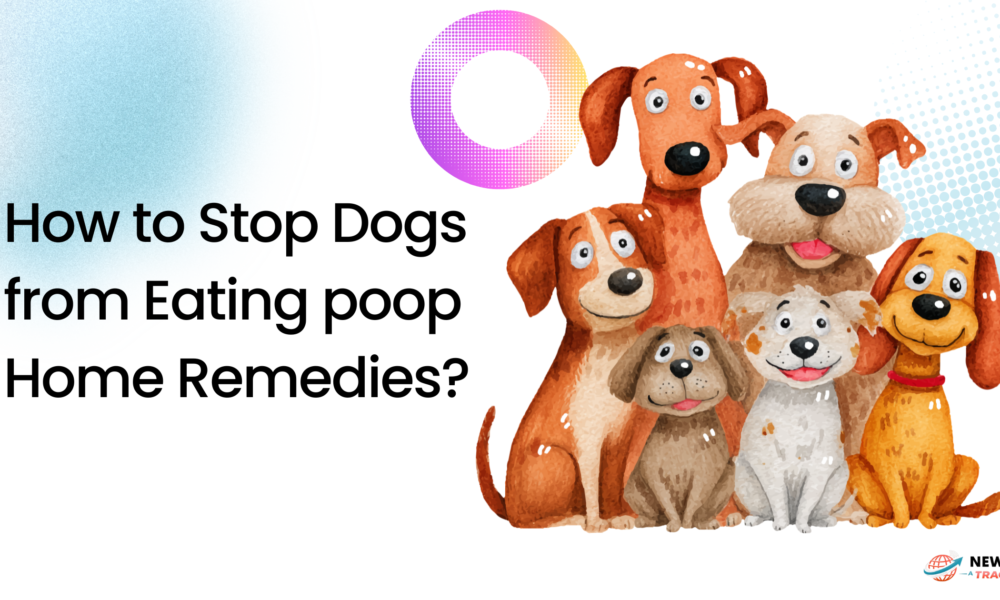
If you are a dog owner, you know that dogs do plenty of quirky things. They chase their tails, bark at the mail carrier, and sleep in bizarre positions. But few behaviors are as distressing, confusing, and downright gross as watching your beloved dog eat poop.
Table Of Content
- Why Do Dogs Eat Poop? Uncovering the Root Causes
- Instinctual and Evolutionary Reasons
- Medical and Health Issues
- Behavioral Triggers
- The Hidden Health Risks of Coprophagia
- Internal Parasites
- Bacterial Infections
- Viral Diseases
- Medication Toxicity
- Dietary Adjustments and Natural Home Remedies
- 1. Add Pineapple to Their Meals
- 2. Introduce Canned Pumpkin
- 3. Apple Cider Vinegar
- 4. Provide Digestive Enzyme Supplements
- 5. Meat Tenderizer
- 6. Upgrade Their Primary Diet
- 7. Feed Smaller, More Frequent Meals
- 8. Add Green Tripe
- Behavioral Training Techniques
- Master the “Leave It” Command
- Reliable Recall
- Immediate Environmental Management
- Leash Management During Potty Breaks
- Increase Mental and Physical Exercise
- Creating a Coprophagia-Proof Environment
- Securing the Cat Litter Box
- Yard Maintenance Routines
- Avoiding Muzzle Use Unless Necessary
- The Role of Positive Reinforcement
- Conclusion
This habit is known scientifically as coprophagia. If your dog engages in this behavior, you are likely feeling frustrated and desperate for a solution. You might even feel a little embarrassed to bring it up. Rest assured, you are not alone. Coprophagia is a common issue that many dog owners face at some point. The good news is that you can stop it.
In this comprehensive guide, we will explore why dogs eat stool, the potential health risks involved, and a wide variety of effective home remedies and training techniques. By understanding the root cause and applying these practical solutions, you can help your dog break this unpleasant habit for good.
Why Do Dogs Eat Poop? Uncovering the Root Causes
Before you can fix the problem, you need to understand why it happens in the first place. Dogs do not eat stool just to upset you. In their minds, there is usually a very specific reason for this behavior. We can break these reasons down into instinctual, medical, and behavioral categories.
Instinctual and Evolutionary Reasons
To understand your dog, you sometimes have to look at their ancestors. Wolves and wild dogs are scavengers. In the wild, eating feces can be a survival mechanism. If food is incredibly scarce, stool from herbivores might contain undigested nutrients that a starving animal can use. While your dog is certainly not starving in your living room, those deep-seated evolutionary instincts still linger in their DNA.
Additionally, nursing mothers naturally clean up after their puppies. When a mother dog has a litter, she will eat the puppies’ feces to keep the den clean. This prevents the spread of disease and hides the scent of the vulnerable puppies from predators. Many puppies observe this and mimic the behavior. While most puppies outgrow this phase by the time they are nine months old, some carry the habit into adulthood.
Medical and Health Issues
Sometimes, coprophagia is a sign that something is physically wrong with your dog. If your dog suddenly starts eating poop out of nowhere, a trip to the veterinarian is your first step. Common medical causes include:
1. Enzyme Deficiencies
In the wild, canine diets are rich in digestive enzymes found in the prey they eat. Today, many commercial dog foods are highly processed. The heat used to create kibble can destroy naturally occurring enzymes. If your dog lacks the necessary enzymes to break down and absorb carbohydrates, fats, and proteins, food will pass through their system undigested. To your dog, their own stool smells exactly like their food, so they eat it to try and get those missing nutrients the second time around.
2. Exocrine Pancreatic Insufficiency (EPI)
This is a more severe medical condition where the pancreas fails to produce enough digestive enzymes. Dogs with EPI often suffer from weight loss, diarrhea, and a constant, ravenous hunger. Because they are starving for nutrients, they will eat almost anything, including feces.
3. Intestinal Parasites
Worms and other internal parasites steal the nutrients from the food your dog eats. Even if you feed your dog the highest-quality meals, a heavy parasite load will leave them nutritionally deficient. This deficiency drives the dog to seek out other sources of nutrients, often leading them straight to the litter box or the backyard.
4. Malabsorption Syndromes
Any condition that prevents the intestines from absorbing nutrients properly can trigger stool eating. This could be due to inflammatory bowel disease (IBD) or food allergies that damage the intestinal lining.
5. Underfeeding
It sounds simple, but sometimes a dog is just hungry. If you are feeding a low-quality food that lacks proper nutritional value, or if you are simply not feeding enough to support your dog’s activity level, they may resort to scavenging.
Behavioral Triggers
If your vet rules out all medical issues, you are likely dealing with a behavioral problem. Behavioral coprophagia is deeply rooted in your dog’s environment and emotional state.
1. Boredom and Isolation
Dogs are highly social, intelligent animals. If a dog is left alone in a backyard all day with no toys, no interaction, and nothing to do, they will find ways to entertain themselves. Unfortunately, playing with and eating their own stool can become a way to pass the time.
2. Anxiety and Stress
Dogs experiencing severe stress or separation anxiety might eat poop as a coping mechanism. Similarly, dogs that are punished harshly for having accidents in the house might eat their own stool to hide the evidence and avoid further punishment.
3. Attention-Seeking
Dogs crave attention. If your dog grabs a piece of poop and you immediately run over, shout, wave your arms, and chase them around the yard, your dog might interpret this as a highly engaging game. Even negative attention is better than no attention at all.
4. The “Taste” Factor
We have to face a harsh reality: some dogs simply like the taste. This is especially true when it comes to cat poop. Cat food is significantly higher in protein and fat than dog food. To a dog, a cat’s litter box is essentially a buffet of high-protein snacks.
The Hidden Health Risks of Coprophagia
Many dog owners wonder if eating poop is actually dangerous. While it is technically a natural behavior for canines, it is certainly not safe, especially in our modern environment.
Internal Parasites
The most immediate risk is the transmission of internal parasites. When your dog eats the stool of another animal, they ingest any parasite eggs present in that waste. This includes roundworms, hookworms, whipworms, and tapeworms. Once inside your dog’s digestive tract, these parasites hatch, grow, and start stealing nutrients, leading to a host of health problems.
Bacterial Infections
Feces are loaded with bacteria. While a dog’s stomach acid is stronger than a human’s, it cannot protect them from everything. Ingesting stool can expose your dog to harmful bacteria like Salmonella, E. coli, and Campylobacter. These bacteria cause severe gastrointestinal distress, including vomiting, bloody diarrhea, and severe dehydration. Furthermore, your dog can transmit these bacteria to you and your family members through kisses and licks.
Viral Diseases
Certain dangerous viruses shed through feces. The most notorious of these is Canine Parvovirus. Parvo is a highly contagious, often fatal virus that attacks a dog’s intestines. If your dog eats the stool of an infected dog, they are at extreme risk of contracting the disease.
Medication Toxicity
If your dog eats the waste of an animal that is currently taking medication, your dog absorbs a portion of those drugs. For example, if a dog eats the stool of an animal recently treated with a strong chemical dewormer or certain antibiotics, they could experience an adverse reaction or toxicity.
Dietary Adjustments and Natural Home Remedies
If your veterinarian confirms that your dog is healthy, you can start tackling the behavior at home. One of the most effective ways to stop coprophagia is to make the stool taste unappealing to your dog. Here are the most effective dietary adjustments and home remedies you can implement today.
1. Add Pineapple to Their Meals
Pineapple is one of the most famous and effective home remedies for stool eating. Fresh pineapple contains bromelain, a powerful digestive enzyme. When your dog eats pineapple, the bromelain alters the composition of their stool. It makes the resulting feces taste incredibly bitter and acidic to the dog.
To use this remedy, simply add a few chunks of fresh pineapple to your dog’s food bowl once or twice a day. Avoid canned pineapple, as it is often packed in heavy, sugary syrups that can cause weight gain and upset your dog’s stomach. Furthermore, the canning process destroys much of the natural bromelain. Stick to fresh pineapple for the best results.
2. Introduce Canned Pumpkin
Pumpkin is a miracle food for dogs. It is loaded with fiber, which helps regulate digestion and promotes firm, healthy stools. Like pineapple, pumpkin is believed to change the taste and consistency of the stool, making it less appetizing.
When buying pumpkin, make sure you purchase 100% pure pumpkin puree, not pumpkin pie filling. Pumpkin pie filling contains spices and massive amounts of sugar, which will harm your dog. Add one to two tablespoons of pure pumpkin puree to your dog’s meals daily. Not only will it help deter stool eating, but it will also soothe their digestive tract.
3. Apple Cider Vinegar
Apple cider vinegar (ACV) is a versatile home remedy that can balance the acidity of your dog’s stomach. Some holistic veterinarians believe that coprophagia stems from a lack of proper stomach acid. By adding ACV to your dog’s diet, you improve their digestion, allowing them to absorb more nutrients from their food. Consequently, their stool contains fewer undigested food particles, making it less tempting.
Add one teaspoon of raw, unfiltered apple cider vinegar per 25 pounds of body weight to your dog’s water bowl or pour it directly over their food. If your dog dislikes the taste, start with a smaller amount and gradually increase it.
4. Provide Digestive Enzyme Supplements
If your dog is eating poop because they cannot digest their food properly, adding a digestive enzyme supplement can solve the problem entirely. Look for a high-quality pet supplement that contains enzymes like protease (breaks down proteins), amylase (breaks down carbohydrates), and lipase (breaks down fats).
By adding these enzymes to your dog’s food, you do the heavy lifting of digestion before the food even enters their intestines. This ensures your dog absorbs the maximum amount of nutrients, leaving the resulting stool devoid of any nutritional value or appealing smell.
5. Meat Tenderizer
This is an old-school remedy that many breeders and trainers swear by. Unseasoned meat tenderizer contains an enzyme called papain, which is derived from papayas. Similar to bromelain in pineapple, papain alters the smell and taste of the feces, rendering it completely unappealing.
Sprinkle a tiny pinch of unseasoned, MSG-free meat tenderizer over your dog’s food. It is crucial that you check the ingredient label carefully. You do not want any added garlic, onion, or heavy sodium, as these can be toxic or harmful to your dog.
6. Upgrade Their Primary Diet
Take a long, hard look at the food you are currently feeding your dog. If you are feeding a budget kibble whose first ingredients are corn, wheat, or soy, your dog is likely struggling to extract proper nutrition from it. These cheap fillers pass right through the dog, creating bulky, strong-smelling stools that are full of undigested carbohydrates.
Transition your dog to a high-quality, high-protein diet. Look for foods where real meat (like chicken, beef, or salmon) is the first ingredient. You might also consider exploring fresh cooked diets or raw feeding, under the guidance of your veterinarian. A more bioavailable diet means your dog will absorb more nutrients, resulting in smaller, less odorous stools that hold no appeal to a scavenger.
7. Feed Smaller, More Frequent Meals
If your dog is simply hungry between meals, they might turn to the yard for a snack. Instead of feeding your dog one massive meal a day, divide their daily food allowance into three or four smaller meals. This keeps their blood sugar stable and their stomach full throughout the day, significantly reducing the urge to scavenge.
8. Add Green Tripe
Green tripe is the untreated, unbleached stomach lining of a grazing animal, like a cow or sheep. While it smells absolutely horrendous to humans, dogs consider it a delicacy. More importantly, raw green tripe is packed with natural digestive enzymes and beneficial probiotics. Adding a spoonful of canned or raw green tripe to your dog’s dinner can drastically improve their gut health, correct nutritional imbalances, and eliminate the desire to eat feces.
Behavioral Training Techniques
While dietary adjustments treat the internal causes of coprophagia, behavioral training addresses the habit itself. Even if the stool no longer tastes good to your dog, the sheer muscle memory of the habit might cause them to keep doing it. You must actively train your dog to leave the waste alone.
Master the “Leave It” Command
The “Leave It” command is arguably the most important cue you can teach a dog who eats poop. It tells your dog that they must ignore whatever they are currently looking at and return their attention to you.
Here is a step-by-step guide to teaching this vital command:
Step 1: Hold a low-value treat in a closed fist. Present your fist to your dog. Your dog will sniff, lick, and paw at your hand trying to get the treat. Do not say anything. Just wait.
Step 2: The exact second your dog stops trying to get the treat and pulls their head back, say “Yes!” or click your clicker, and give them a high-value treat (like a piece of real chicken or cheese) from your other hand.
Step 3: Repeat this process. Once your dog consistently pulls away from your closed fist, add the verbal cue “Leave It” right as you present the fist.
Step 4: Progress to leaving the low-value treat on the floor, covering it with your hand if they lunge for it. Always reward with the better treat from your other hand.
Step 5: Take the training outside. Practice asking your dog to “Leave It” when they approach sticks, leaves, and eventually, poop.
Always reward your dog heavily when they successfully walk away from the stool. You must prove to them that whatever you have in your pocket is vastly superior to what is on the ground.
Reliable Recall
A strong recall (the “Come” command) is your emergency brake. If you see your dog marching toward a pile of waste across the yard, a sharp, enthusiastic “Come!” can stop them in their tracks. Practice recall daily in low-distraction environments, heavily rewarding your dog every time they return to you. Gradually increase the distractions until you can confidently call your dog away from anything.
Immediate Environmental Management
You cannot train your dog if you are not there to supervise. The most foolproof way to stop your dog from eating poop is to remove the opportunity entirely.
Whenever your dog goes outside to use the bathroom, you must go with them. Bring a pocket full of high-value treats and a roll of poop bags. The moment your dog finishes doing their business, call them to you, give them a treat, and immediately pick up the waste. If the yard is completely clear of feces at all times, the habit becomes impossible to practice.
Do not rely on a doggy door to let your dog out unsupervised while you are trying to break this habit. You must manage the environment strictly for several weeks until the behavior is extinguished.
Leash Management During Potty Breaks
If your dog is incredibly quick and tends to turn around and grab the stool before you can even reach for a bag, you need to use a leash. Take your dog out for potty breaks on a standard six-foot leash. When they finish going to the bathroom, gently use the leash to guide them away from the pile. Reward them for walking away, lead them indoors, and then go back outside by yourself to clean up the yard.
Increase Mental and Physical Exercise
Bored dogs develop bad habits. If your dog is eating stool purely out of boredom, you need to exhaust them both physically and mentally.
Physical Exercise: A simple walk around the block might not be enough for a high-energy breed. Consider incorporating jogging, fetch, swimming, or agility training into your dog’s daily routine. A tired dog is a good dog, and a dog sleeping on the couch is not wandering the yard looking for snacks.
Mental Stimulation: Mental fatigue is just as important as physical exhaustion. Feed your dog their meals out of puzzle toys or snuffle mats instead of a standard bowl. This forces them to use their brain and nose to hunt for their food. Teach new tricks, practice obedience, and provide durable chew toys to keep their minds engaged.
Creating a Coprophagia-Proof Environment
If you have a multi-pet household, managing the environment becomes slightly more complicated, but it is entirely doable.
Securing the Cat Litter Box
As mentioned earlier, cat feces are highly appealing to dogs. If you have a cat, you must secure the litter box so the dog cannot access it.
- Baby Gates: Install a baby gate with a small pet door at the bottom. The cat can slip through to access the box, but the dog cannot follow.
- Elevated Surfaces: Place the litter box on a sturdy table or bench that the cat can easily jump to, but the dog cannot reach.
- Covered Boxes: Use a top-entry litter box. Cats can jump onto the lid and drop down inside, but dogs cannot stick their heads through the opening to scavenge.
- Frequent Cleaning: Scoop the litter box immediately after the cat uses it. The less time the waste sits there, the less opportunity your dog has to find it.
Yard Maintenance Routines
If your dog has a habit of eating other animals’ waste, such as deer, rabbit, or goose droppings in your yard, you will need to be vigilant. Walk your yard every morning and evening to clear out any foreign droppings. If you live in an area with a high wildlife population, you might need to keep your dog on a long training lead while in the yard so you can intervene if they try to snack on something they shouldn’t.
Avoiding Muzzle Use Unless Necessary
Some owners resort to placing a basket muzzle on their dog when they go outside. While a properly fitted basket muzzle allows a dog to pant and drink water, it prevents them from picking things up off the ground. This should be viewed as a last resort or a temporary management tool, not a cure. You still need to put in the work with dietary changes and behavioral training to address the underlying desire to eat the stool.
The Role of Positive Reinforcement
Throughout this entire process, it is vital that you remain calm and positive. Punishing your dog for eating poop will only backfire. If you yell, hit, or rub your dog’s nose in the waste, you will create a deeply anxious animal. Anxiety is a leading cause of coprophagia, so punishment will only make the habit worse.
Furthermore, if your dog fears your reaction, they will simply learn to eat the stool faster or hide while doing it. Always focus on positive reinforcement. Reward the behaviors you want to see—like walking away from the stool or making eye contact with you—and manage the environment to prevent the behaviors you don’t want.
Read More: Finding the Perfect Fit: How to Determine the Right HVAC Tonnage for a 2000 Square Foot Home
Conclusion
Dealing with a dog that eats poop is undeniably frustrating, but it is a behavior you can overcome with patience, consistency, and the right strategies. By investigating the root causes, upgrading your dog’s diet, utilizing natural home remedies like pumpkin and pineapple, and committing to active behavioral training, you can break this habit.
Remember to keep your yard clean, supervise potty breaks, and always reward your dog heavily for making the right choices. If you have tried all these home remedies and training techniques without success, do not hesitate to reach out to a certified animal behaviorist or your veterinarian for further guidance. With time and dedication, you can ensure your dog stays healthy, clean, and completely uninterested in things they shouldn’t be eating.










No Comment! Be the first one.