








Unlocking the Secrets of Jablje Castle in Slovenia and Its Rich Historical Legacy
Jablje Castle, also known as Jable Castle, Habah Castle, or Habach Castle, is a historic Renaissance-era fortress located above the settlement of Loka pri Mengšu, Slovenia. Originally mentioned in...

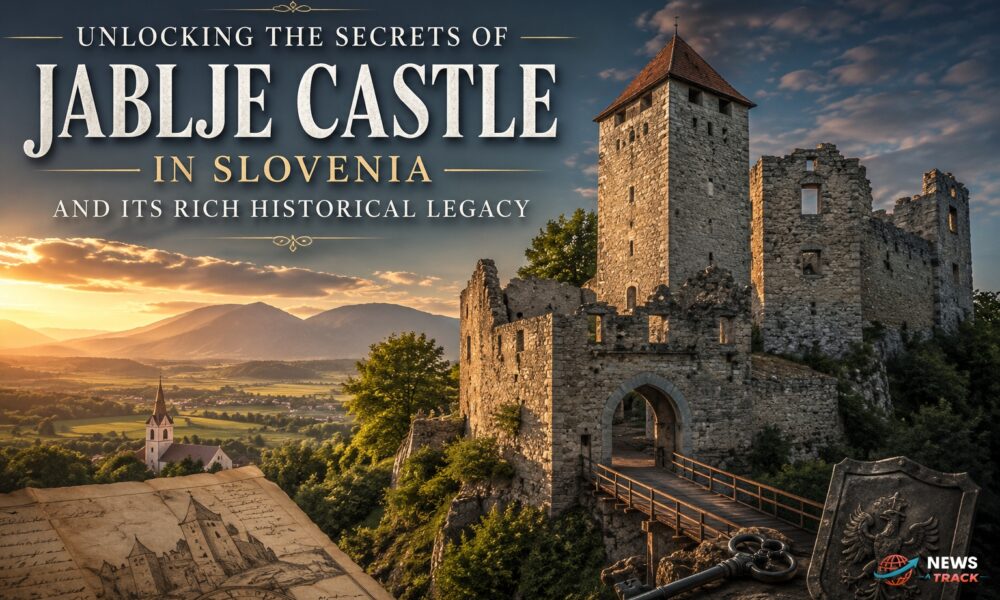
Jablje Castle, also known as Jable Castle, Habah Castle, or Habach Castle, is a historic Renaissance-era fortress located above the settlement of Loka pri Mengšu, Slovenia. Originally mentioned in 1268 and rebuilt around 1530, the castle features stunning Baroque frescoes and currently serves as a vital cultural monument and the headquarters for the Centre for European Perspective.
Table Of Content
- What is the historical timeline of Jablje Castle?
- Who were the notable owners of Jablje Castle?
- How did World War II impact Jablje Castle?
- What are the unique architectural features of Jablje?
- How did the castle structure evolve over time?
- What legends and landscapes surround Loka pri Mengšu?
- What archaeological treasures were found near Jablje?
- How is Jablje Castle used in modern-day Slovenia?
- Why is Jablje important to Slovenian cultural heritage?
- What preservation efforts protect Jablje’s legacy?
- What are the future prospects for Jablje Castle?
- Frequently asked questions about Jablje Castle
- How much does it cost to visit Jablje Castle?
- When is Jablje Castle open to the public?
- Who originally built Jablje Castle?
- Are there really secret tunnels under the castle?
- Can I host a wedding or private event at Jablje?
- Why should you visit Jablje Castle today?
Tucked away on the western edge of the Mengeš Plain stands a fascinating piece of Slovenian heritage. Jablje Castle, also known as Jable Castle, Habah Castle, or Habach Castle, is a castle above the settlement of Loka pri Mengšu, Slovenia. This impressive structure commands attention from its strategic position on a rocky cliff. It overlooks a sprawling landscape of lush forests and karst formations.
Historical Slovenian castles offer a unique window into Europe’s complex past. They show us how noble families lived, how architectural styles evolved, and how local communities interacted with their rulers over centuries. Jablje represents a perfect example of this historical progression. It transitioned from a medieval defensive stronghold into a comfortable Renaissance residence, and eventually into a modern diplomatic center.
Visitors and history enthusiasts will find a wealth of fascinating details within these stone walls. From hidden Renaissance ceilings and exotic Baroque frescoes to legends of secret underground tunnels, the site provides endless material for exploration. This guide will walk you through the rich history, architectural marvels, and cultural significance of Jablje.
What is the historical timeline of Jablje Castle?
The story of Jablje begins in the Middle Ages. The original castle at Jablje was first mentioned in historical records in 1268. However, historians have found very few physical remains from this early medieval period. The current structure was built by the noble House of Lamberg around 1530. Experts believe a devastating earthquake in 1511 may have destroyed the original medieval fortress, prompting the Lamberg family to construct a new, more comfortable Renaissance residence.
The German name “Habach” appears in documents from the 14th century, referring to a creek overgrown with bushes. Over time, the local Slovenian population adapted the name to Jablje. The new Renaissance building emphasized comfort alongside defense. The builders utilized the steep rocky cliff for natural protection, while adding a water well in the courtyard to ensure a secure water supply during potential sieges.
Who were the notable owners of Jablje Castle?
Several prominent noble families held the keys to Jablje over the centuries. Following the House of Lamberg, the property transferred to the Rasp family in 1644. Erasmus Rasp purchased the estate, and his daughter later married into the influential Mosconi family. The Barons Mosconi managed the estate throughout the second half of the 17th century.
In 1780, the castle passed into the hands of the Barons Lichtenberg-Janežič. This family maintained ownership for an incredibly long period, holding the estate right up until the outbreak of World War II. The last owner from this lineage, Baroness Maria Hippolyta Lichtenberg-Janežič, died in 1941. Local residents remembered her fondly for her fair treatment of workers and her strong, vibrant personality.
How did World War II impact Jablje Castle?
The mid-20th century brought massive upheaval to the estate. Although the physical structure survived World War II largely intact, the interior contents did not fare as well. Following the death of Baroness Hippolyta, her adopted son reportedly moved entire train cars worth of valuable furniture and art to Germany.
During the war, the building served as a German military outpost. After the conflict ended, the new government nationalized the property. The remaining historical artifacts and furniture were thoroughly looted or scattered across the region. In the following decades, the government repurposed the building several times. It served as a women’s prison, a multi-residential apartment building for agricultural workers, a storage facility for artificial fertilizers, and an experimental agricultural center for the Biotechnical Faculty of the University of Ljubljana.
What are the unique architectural features of Jablje?
The architectural style of Jablje represents a beautiful blend of Renaissance structure and Baroque decoration. The building features a four-tract, two-story layout with a central arcaded courtyard. Two polygonal defense towers anchor the southern corners of the building. The original builders included a third tower on the northwestern corner, but later renovations removed it.
The southern facade features a simple yet elegant Renaissance entrance portal. Before World War II, the Lichtenberg family coat of arms sat proudly above this doorway. The internal courtyard originally featured stone pillars supporting the cross-vaulted arcades. Following a massive earthquake in 1895, engineers replaced some of these damaged stone pillars with sturdy cast-iron supports.
How did the castle structure evolve over time?
The most significant architectural transformation occurred when the owners realized they no longer needed a purely defensive fortress. They enclosed the northern side of the courtyard with a new residential tract. This addition created space for a large kitchen, additional bedrooms, and servant quarters.
During the extensive renovations that began in 1999, restorers made a spectacular discovery. They found incredibly ornate, carved wooden Renaissance ceilings hidden beneath plain plaster ceilings in the southern and western tracts. The 18th-century owners likely covered these wooden beams because they had sagged over time. Restorers carefully conserved these original wooden beams, suspending them on a new steel support structure to present them in their full historical glory.
The most famous decorative element inside Jablje is a series of Baroque frescoes painted by Franc Jelovšek in 1745. Located in the ceremonial dining room of the southeast tower, these vibrant paintings include a highly unusual depiction of a Chinese man playing a tambourine while riding a camel. This reflects the 18th-century European fascination with exotic Eastern motifs, known as Chinoiserie.
What legends and landscapes surround Loka pri Mengšu?
Jablje Castle sits seamlessly within a striking natural environment. The estate rests on a karst geological formation, characterized by limestone rocks, sinkholes, and underground water systems. A natural spring flows directly beneath the castle cliffs.
The surrounding landscape of Loka pri Mengšu features lush forests extending toward the Rašica hills. Historically, a beautiful dual-lane chestnut avenue connected the local village directly to the castle gates. The aristocratic owners maintained elaborate gardens, a greenhouse, and a large fishpond. Today, visitors can still see the historic fishpond, an old stone well, and a traditional Slovenian hayrack known as a “toplar” on the lower grounds.
Due to the complex karst cave system beneath the foundations, local legends speak of a secret underground escape tunnel. According to local folklore, the noble families used this hidden passage to flee during times of danger. While modern archaeological surveys during the 1999 renovations did not find concrete proof of this tunnel, the mystery continues to capture the imagination of visitors.
What archaeological treasures were found near Jablje?
In August 2004, the area around the castle yielded an astonishing historical artifact. Researchers accidentally discovered a solid-hilted bronze sword in a water reservoir near the estate.
Experts date this remarkably well-preserved weapon to the 17th or 16th century BC. This places it firmly at the end of the Early Bronze Age. According to the National Museum of Slovenia, this artifact represents one of the three oldest solid-hilted swords ever found in the Eastern Alps. It stands alongside similar ancient swords found in the Carpathian region as one of the oldest swords in all of Europe. The discovery of this Bronze Age weapon suggests that the strategic location above the Mengeš Plain held significant importance thousands of years before the current stone walls were ever built.
How is Jablje Castle used in modern-day Slovenia?
Today, Jablje represents a triumph of modern historical revitalization. After decades of neglect and inappropriate use, the site now serves high-level diplomatic and cultural functions.
Since 2006, the building has operated as the official headquarters for the Centre for European Perspective (CEP). It also houses the Policy Planning and Research Department of the Slovenian Ministry of Foreign Affairs. The facility features modern conference rooms, high-tech security systems, and climate control, all carefully hidden within the historic architecture.
During the 2008 Slovenian presidency of the European Union, the site served as a major protocol venue. Government officials routinely use the historic rooms to host international diplomats, policy seminars, and strategic planning meetings.
Why is Jablje important to Slovenian cultural heritage?
The government of Slovenia has officially declared Jablje Castle and its surrounding estate a cultural monument of state importance. This designation protects the site from commercial exploitation and ensures strict conservation standards.
The building serves as a textbook example of how to successfully adapt a protected historical monument for modern administrative use. Furthermore, it preserves the artistic legacy of Franc Jelovšek, one of Slovenia’s most important Baroque painters. The surviving frescoes and the recovered painted wallpapers provide invaluable insights into the aesthetic tastes of the Carniolan nobility during the 18th century.
What preservation efforts protect Jablje’s legacy?
The survival of Jablje is largely due to an intense, multi-year restoration project. By 1997, the last residential tenants moved out, leaving the building empty and rapidly deteriorating. The roof leaked, the masonry crumbled, and the historical artwork faced imminent destruction from moisture.
Between 1999 and 2006, the architectural firm Gea Consult led a comprehensive renovation project funded by the state. The preservation team faced a massive challenge: how to modernize the building for government use without destroying its historical soul.
They succeeded by utilizing non-destructive techniques. Workers routed modern electrical wiring and internet cables through abandoned historic chimney flues. They stabilized the building against future earthquakes using concealed steel frames. Restorers meticulously cleaned the Jelovšek frescoes and successfully reinstalled the original 18th-century painted wallpapers that the National Museum had safeguarded since the end of World War II.
What are the future prospects for Jablje Castle?
The restoration of the main building was a massive success, but work on the wider estate continues. Future prospects include the ongoing rehabilitation of the lower agricultural outbuildings. Two historic 19th-century stables remain on the lower grounds, awaiting their own careful restoration.
Local officials and conservationists hope to eventually reconstruct the baroque parterre garden and the historic greenhouse. There are also long-term plans to open a high-quality restaurant and wine cellar within the complex. This would make the site even more welcoming to the general public, allowing visitors to enjoy local gastronomy in a highly authentic historical setting.
Frequently asked questions about Jablje Castle
How much does it cost to visit Jablje Castle?
General admission pricing for guided tours can vary depending on the season and group size. Because the site operates primarily as a government facility, it is highly recommended to contact the Centre for European Perspective directly or check their official website for the most current ticketing information.
When is Jablje Castle open to the public?
The castle is generally open for public visitors every other Saturday at 11:00 AM. Private group tours can be arranged by appointment. Since the building hosts official diplomatic events, public access may occasionally be restricted, so always verify opening hours before your arrival.
Who originally built Jablje Castle?
The original medieval fortress was mentioned in 1268, but the current Renaissance structure was built by the noble House of Lamberg around the year 1530.
Are there really secret tunnels under the castle?
Local legends strongly suggest the existence of secret underground escape tunnels due to the extensive karst cave system beneath the property. However, modern archaeological surveys conducted during the 1999 renovations found no concrete evidence to support this folklore.
Can I host a wedding or private event at Jablje?
Yes! The venue frequently serves as a location for protocol events, seminars, celebrations, and weddings. The historic arcaded courtyard and the beautifully restored ceremonial rooms provide a stunning backdrop for special occasions. You must contact the estate management to inquire about availability and rental fees.
ALSO READ : What Does It Mean to Be Utanmazkzılar? A Guide to Living Boldly
Why should you visit Jablje Castle today?
Jablje Castle stands as a testament to resilience, art, and successful historical preservation. It offers a quiet, contemplative environment where visitors can step back into the 16th century while still observing the modern diplomatic work shaping Europe’s future.
Whether you hold an interest in Renaissance architecture, Baroque painting, Bronze Age archaeology, or simply enjoy wandering through scenic Slovenian landscapes, this destination delivers immense value. Choose this location if you want to experience authentic Slovenian heritage away from the heavy crowds of more commercialized tourist spots.
Make sure to check the current visiting hours before planning your trip, as the site primarily functions as a working government facility. Public tours are generally available every other Saturday at 11:00 AM, with special appointments available for larger groups. Step through the Renaissance portal and discover the layers of history waiting inside.








No Comment! Be the first one.