










Could the James Comey DOJ Fallout Lead to Prosecution? Everything We Know So Far
The fallout from James Comey’s tenure as FBI Director has been a hot topic in political circles for years. His actions, particularly surrounding the 2016 election and the investigation into...

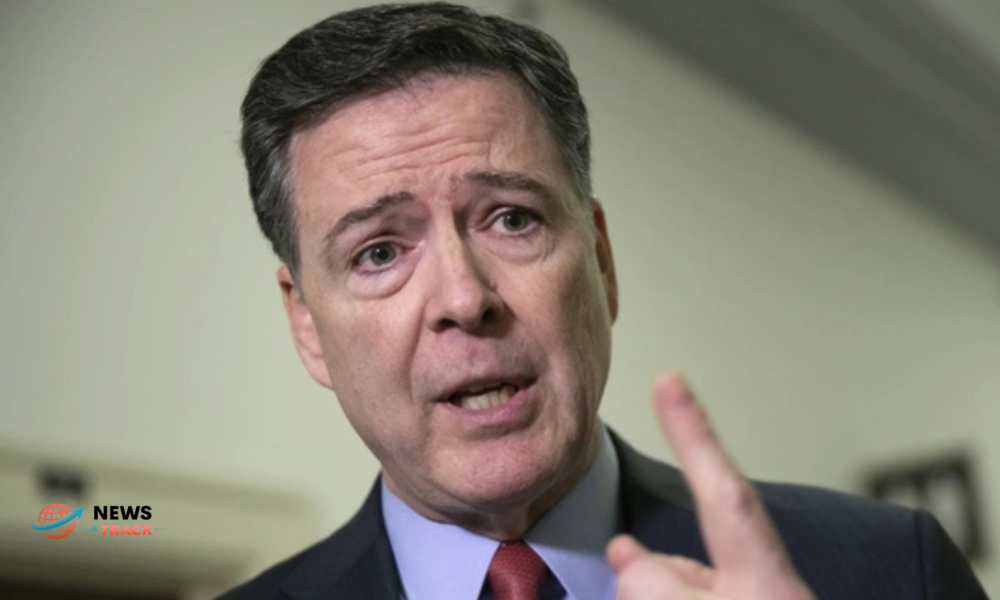
The fallout from James Comey’s tenure as FBI Director has been a hot topic in political circles for years. His actions, particularly surrounding the 2016 election and the investigation into Hillary Clinton’s emails, sparked controversy that rippled through the Department of Justice (DOJ) and beyond. As new information continues to unravel, many are left wondering: could this DOJ fallout lead to prosecution against Comey? The stakes are high, and with various legal experts weighing in, it’s time to delve deeper into what has transpired and what it could mean for all involved. Buckle up as we explore a timeline of events, implications of his actions, and public sentiment surrounding this complex saga.
Table Of Content
What Happened? A Timeline of Events
The fallout from James Comey’s tenure at the Department of Justice (DOJ) began in 2016. His controversial handling of the Hillary Clinton email investigation sparked intense debate.
In May 2017, Comey was unexpectedly fired by President Trump. This act sent shockwaves through Washington and triggered a series of investigations into Russian interference in the election.
Throughout the summer and fall, details emerged about meetings between Comey and senior officials. Testimonies revealed mixed reactions within the DOJ to his leadership style.
By early 2018, former special counsel Robert Mueller’s inquiry intensified scrutiny on both Comey and others involved in high-profile cases.
As new evidence surfaced, discussions around potential legal repercussions gained momentum. The narrative shifted as more individuals were drawn into the ongoing saga surrounding justice and accountability.
The Implications and Potential Consequences
The fallout from James Comey’s actions during his tenure as FBI director has far-reaching implications. The scrutiny surrounding the Department of Justice is intensifying, raising questions about its integrity and independence.
Potential consequences could ripple through various branches of government. If prosecuted, it may set a precedent for how officials are held accountable in similar circumstances. This could inspire increased vigilance among future leaders.
Moreover, public trust in law enforcement is at stake. A prosecution might lead to further polarization among citizens who feel either vindicated or wronged by the system’s handling of political figures.
This situation invites debate on existing laws and ethical standards governing federal employees. It challenges both legal interpretations and societal expectations regarding transparency and accountability in public office.
Legal Experts Weigh In: Could Comey Face Prosecution?
Legal experts are divided on the possibility of prosecuting James Comey. Some believe that his actions during the 2016 election could be scrutinized under various statutes, especially concerning obstruction of justice or mishandling classified information.
Others argue that a prosecution would face significant hurdles. They point out that proving intent is often challenging in these cases. Comey’s defense may center on his commitment to transparency and accountability within the FBI.
Additionally, some legal analysts emphasize the political implications of pursuing charges against a former FBI director. Such an action might set a precarious precedent for future administrations, potentially politicizing law enforcement even further.
As discussions evolve, many attorneys suggest keeping an eye on ongoing investigations surrounding Comey’s decisions and their context within broader DOJ policies. The landscape remains fluid as new details emerge about this highly publicized fallout.
Political Ramifications
The fallout from James Comey’s actions has stirred significant political discourse. As the former FBI director becomes a focal point, both parties are weighing their strategies.
Republicans see this as an opportunity to criticize perceived overreach during the investigation into Russian interference in the 2016 election. They argue that Comey’s decisions compromised electoral integrity and instigated unnecessary division.
On the other hand, Democrats express concern about weaponizing legal processes for political gains. This situation opens avenues for discussions about accountability within government agencies and potential reforms.
As investigations unfold, lawmakers may feel pressured to take definitive stances. The implications could influence upcoming elections and party dynamics at a critical time when trust in institutions is wavering.
Navigating this complex landscape will require careful consideration from politicians who must balance public sentiment with party loyalty. The stakes are high as each side evaluates its next moves amidst growing scrutiny.
Public Opinion and Controversy Surrounding the Fallout
The fallout from the James Comey situation has stirred a whirlwind of public opinion. Many view him as a whistleblower, standing up against political pressure. Others see him as a controversial figure who overstepped his bounds.
Social media platforms buzz with contrasting viewpoints. Some users argue that Comey’s actions were justified in the pursuit of transparency, while others claim he undermined law enforcement integrity.
Polls indicate a split among Americans regarding potential prosecution. Supporters believe accountability is essential, whereas detractors fear it could set a dangerous precedent for future officials.
Media coverage plays a significant role in shaping these opinions. News outlets dissect every angle, fueling ongoing debate and controversy surrounding the DOJ fallout and its implications for democracy and governance. The atmosphere remains charged, reflecting broader themes of trust and ethics in politics today.
Read More: RKLB vs SpaceX: Can Rocket Lab Compete in the Rapidly Growing Global Space Industry in 2026?
Conclusion: What’s Next for James Comey and the DOJ?
The future for James Comey and the Department of Justice remains uncertain. As investigations progress, questions about accountability loom large. Will there be repercussions for actions taken during his tenure? Public sentiment is deeply divided, reflecting broader political tensions.
Legal experts continue to debate the likelihood of prosecution. Some argue that any potential case would hinge on proving intent or wrongdoing beyond reasonable doubt. Others suggest that prosecutorial discretion might play a role in whether charges are ever brought forth.
In the short term, Comey’s next move may depend on the outcome of the various investigations and his own potential legal jeopardy. He has already faced criticism and scrutiny from both sides of the political aisle, and it is possible that he may face further consequences or backlash.
Regardless of what happens with Comey individually, there are larger implications for the Department of Justice as an institution. The handling of high-profile cases, including those involving top government officials, will continue to be closely scrutinized.
More
It is also likely that there will be ongoing discussions about reform within the DOJ and its role in upholding justice and maintaining public trust. Some have called for stronger ethics guidelines and oversight measures to prevent future conflicts of interest or abuses of power.
For James Comey personally, his legacy will be shaped by how history judges his actions as FBI director. Some view him as a dedicated public servant who acted with integrity in difficult circumstances. Others see him as a controversial figure whose decisions have had far-reaching consequences.
Ultimately, only time will tell what the future holds for James Comey and the Department of Justice. But one thing is certain: their actions will continue to be closely watched by both critics and supporters alike.
Amidst this backdrop, Comey’s public persona has been shaped by both defenders and critics alike. His legacy is intertwined with the complex narrative of American politics and the ongoing investigations into potential Russian interference in the 2016 election.
Some supporters see him as a principled leader who stood up to pressure from President Trump and acted in the best interest of the country. They applaud his willingness to speak out against potential obstruction of justice and his efforts to maintain the independence and integrity of the FBI.
Critics, on the other hand, view Comey as a deeply flawed figure whose actions have had serious consequences. They point to his decision to publicly announce the reopening of the investigation into Hillary Clinton’s emails just days before the election as a major factor in her loss. They also call into question his judgment and ethics in leaking memos about his conversations with President Trump.
Ultimately, Comey’s legacy will be shaped by how history judges his actions as FBI director. Some view him as a dedicated public servant who acted with integrity in difficult circumstances. Others see him as a controversial figure whose decisions have had far-reaching consequences.
Only time will tell what the future holds for James Comey and the Department of Justice. But one thing is certain: their actions will continue to be closely watched by both critics and supporters alike, with implications for American politics and democracy at large.merican politics today.
As developments unfold, all eyes will remain on Washington D.
C., anticipating what steps may come next for both James Comey and the DOJ amidst this ongoing fallout.









No Comment! Be the first one.